OpsRabbit Blog
Insights on IT Operations, AI, and the future of incident management. Stay ahead of the curve with expert analysis and practical guides.
Featured Articles
What AIOps Means in Practice: Use Cases, Expectations, and Where OpsRabbit Fits
AIOps means different things to different teams: alert noise reduction, root cause analysis, self-healing, DevOps acceleration, service intelligence, and executive reliability. This guide maps those expectations to practical OpsRabbit workflows.
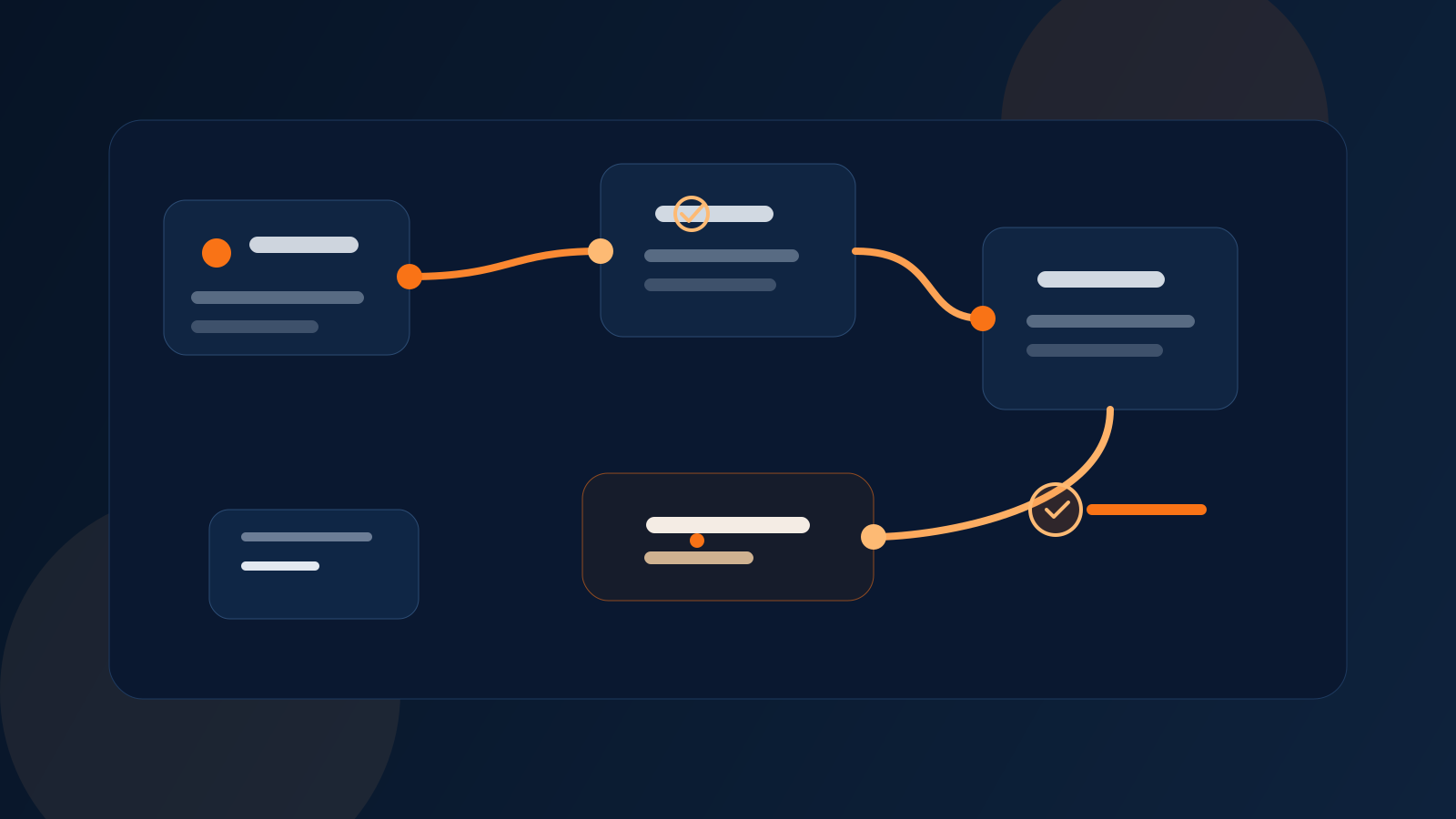
Agentic Runbooks for IT Operations: How to Cut Investigation Time Without Automating Blindly
Agentic runbooks help IT operations teams gather evidence, validate context, and recommend the next step faster, without turning incident response into a black-box automation gamble.
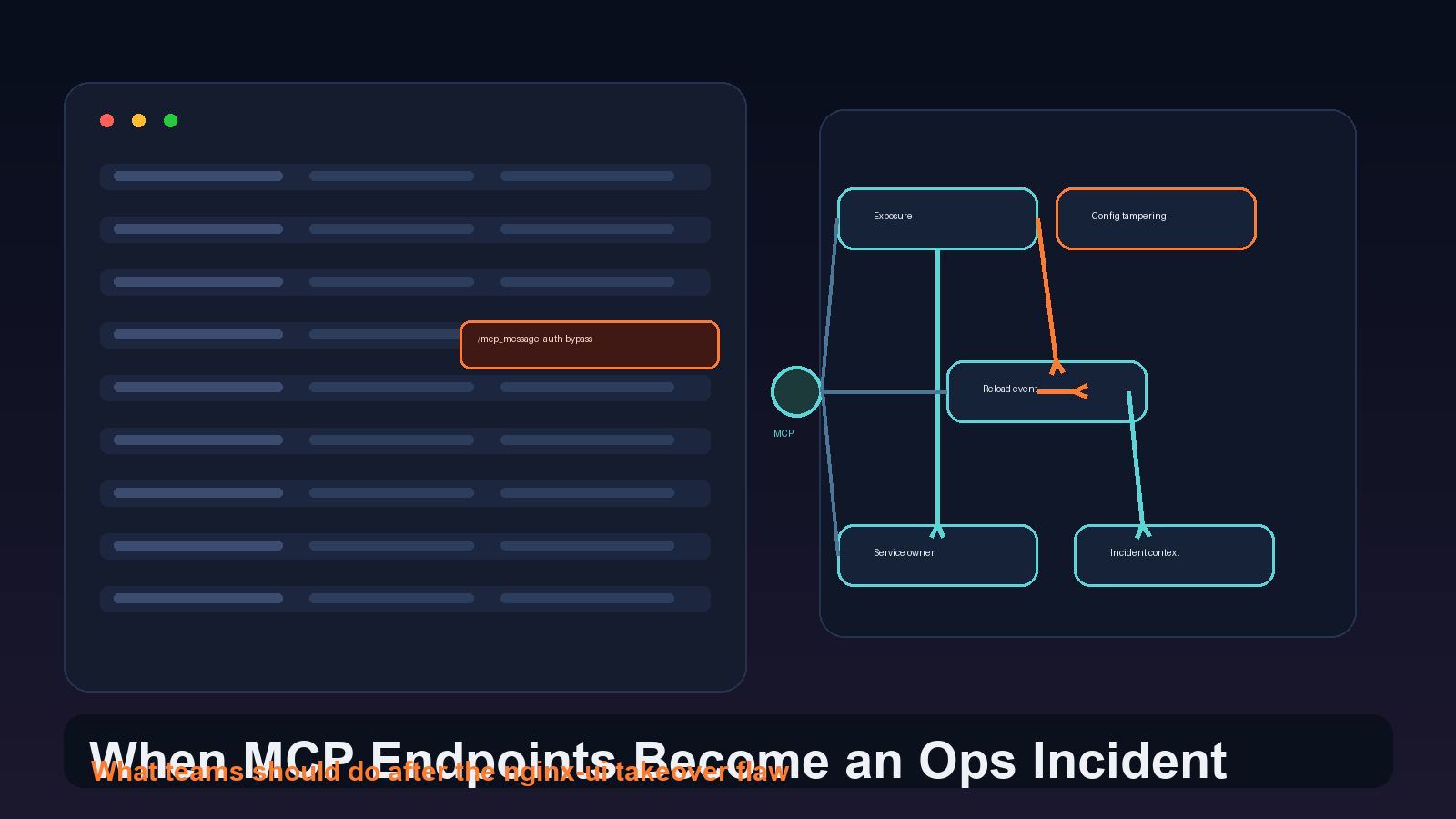
When MCP Endpoints Become an Ops Incident: What Teams Should Do After the nginx-ui Takeover Flaw
The nginx-ui takeover flaw is a good reminder that MCP and admin-plane integrations are now part of the incident surface. Here is how ops teams can scope exposure, check for config tampering, and respond faster with context.
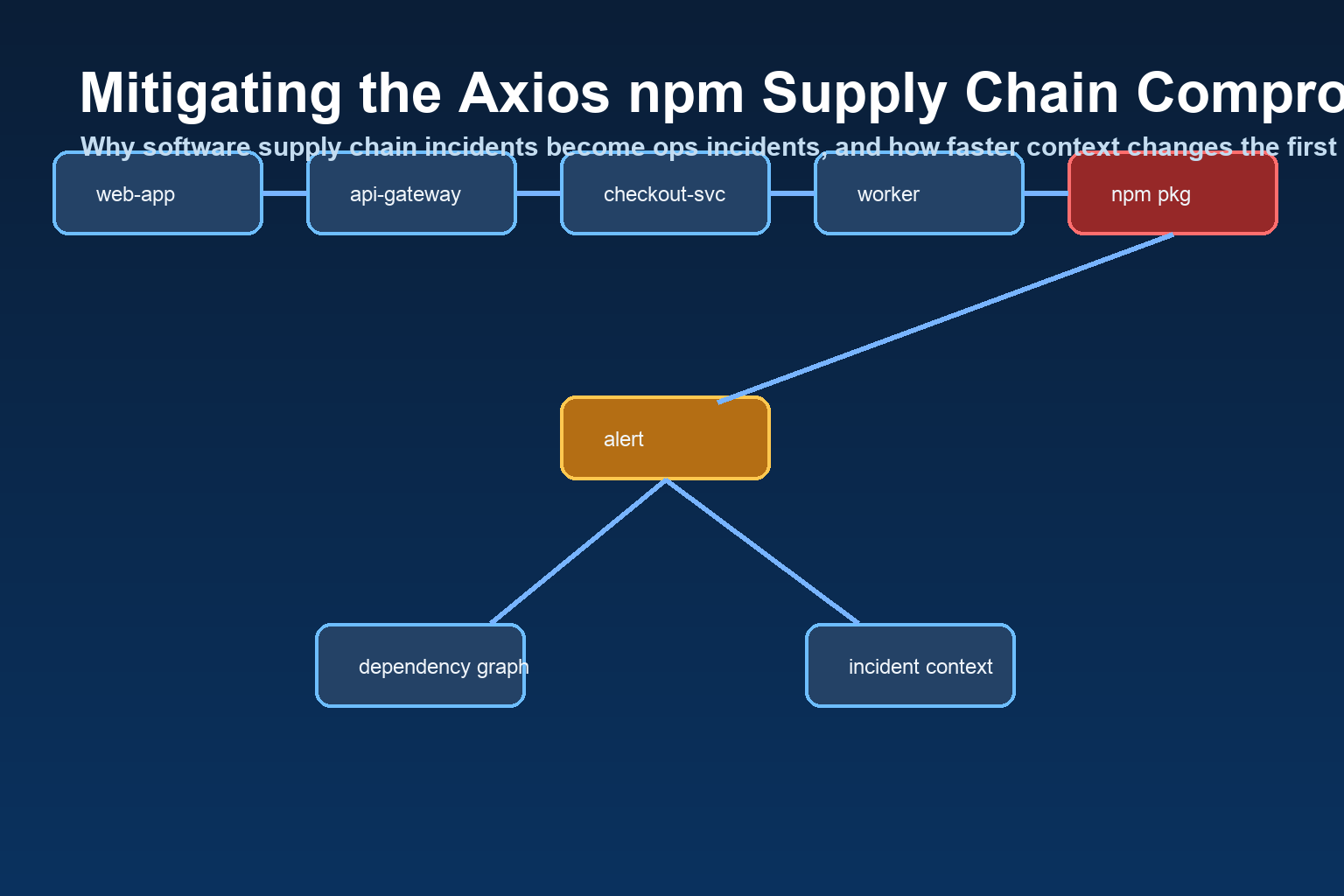
Mitigating the Axios npm Supply Chain Compromise Before It Becomes a 2 A.M. Incident
The Axios npm supply chain compromise is a sharp reminder that dependency incidents become operations incidents fast. Here is how teams can investigate impact, reduce time-to-context, and respond with less chaos.
Why AI-Generated Code Is Creating a New Incident Response Problem
AI coding tools are speeding up software delivery, but they are also creating a new investigation burden for operations teams. The real problem is not just more change, it is slower time-to-context when production breaks.
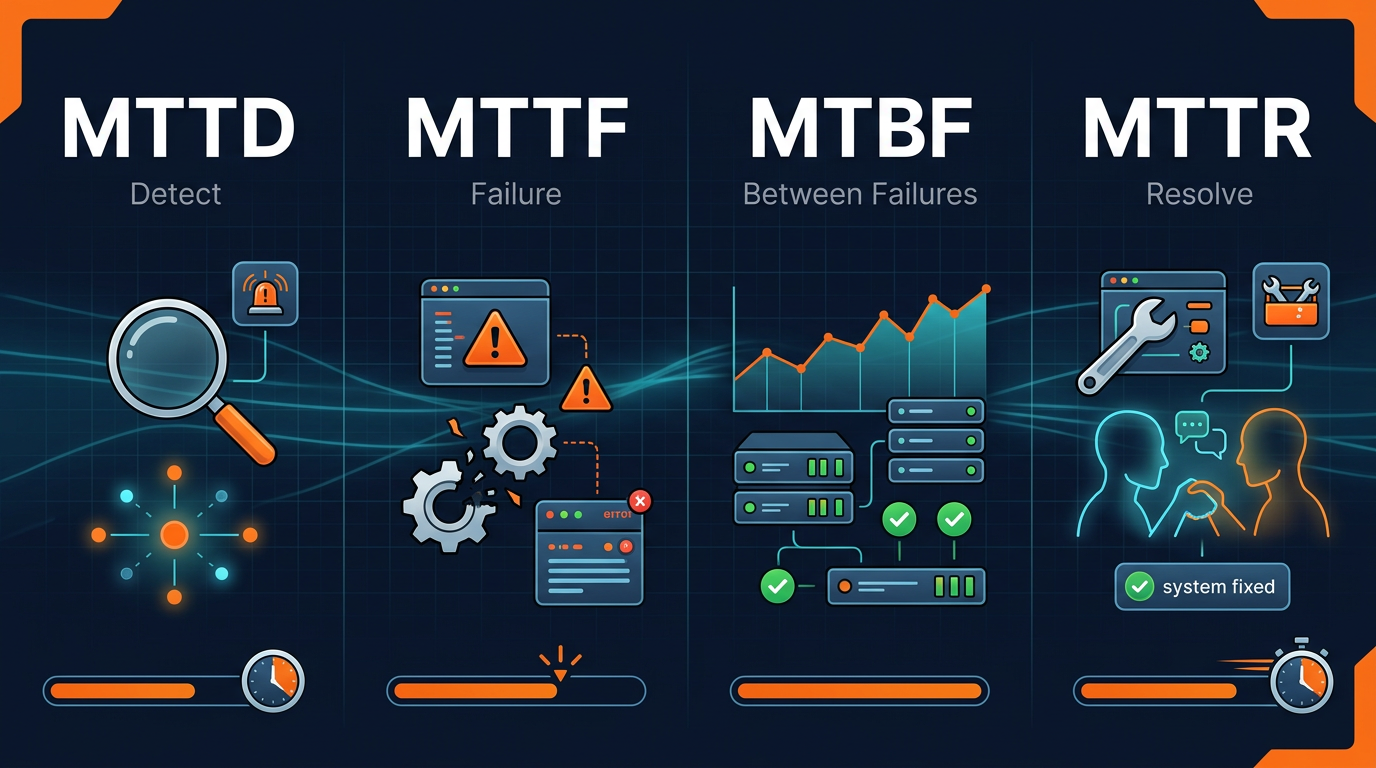
MTTD, MTTF, MTBF, and MTTR: How OpsRabbit Improves the Metrics That Matter for DevOps
A practical guide to four core reliability metrics—and how AI-driven incident investigation with OpsRabbit helps teams detect faster, resolve sooner, and build a clearer picture of system health.
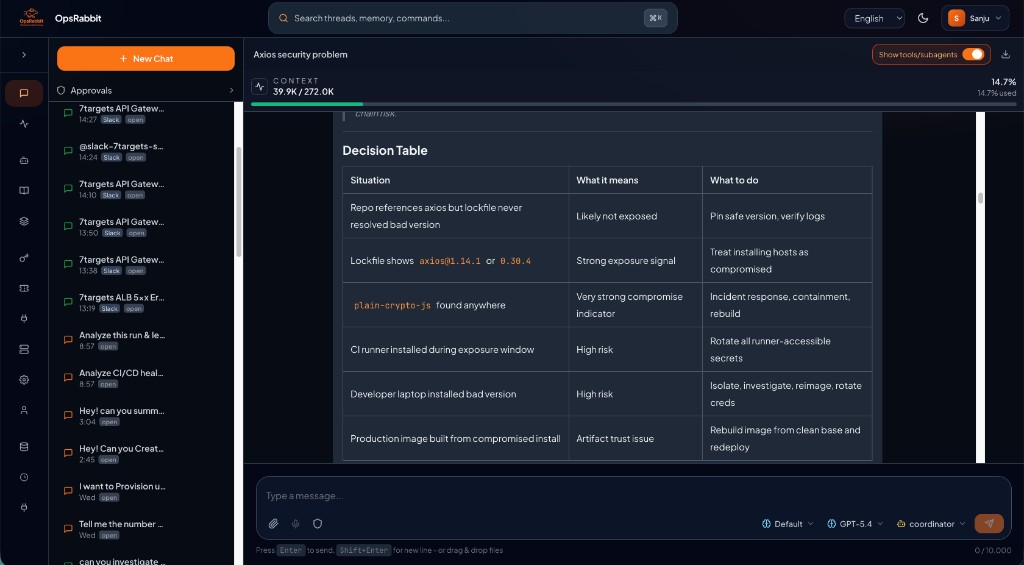
AI Incident Response in Action: Investigating a Cloud Supply Chain Attack on AWS
A real-world AI-driven investigation into the axios supply chain vulnerability on AWS, showing how OpsRabbit validates exposure using telemetry, runtime inspection, and intelligent reasoning.
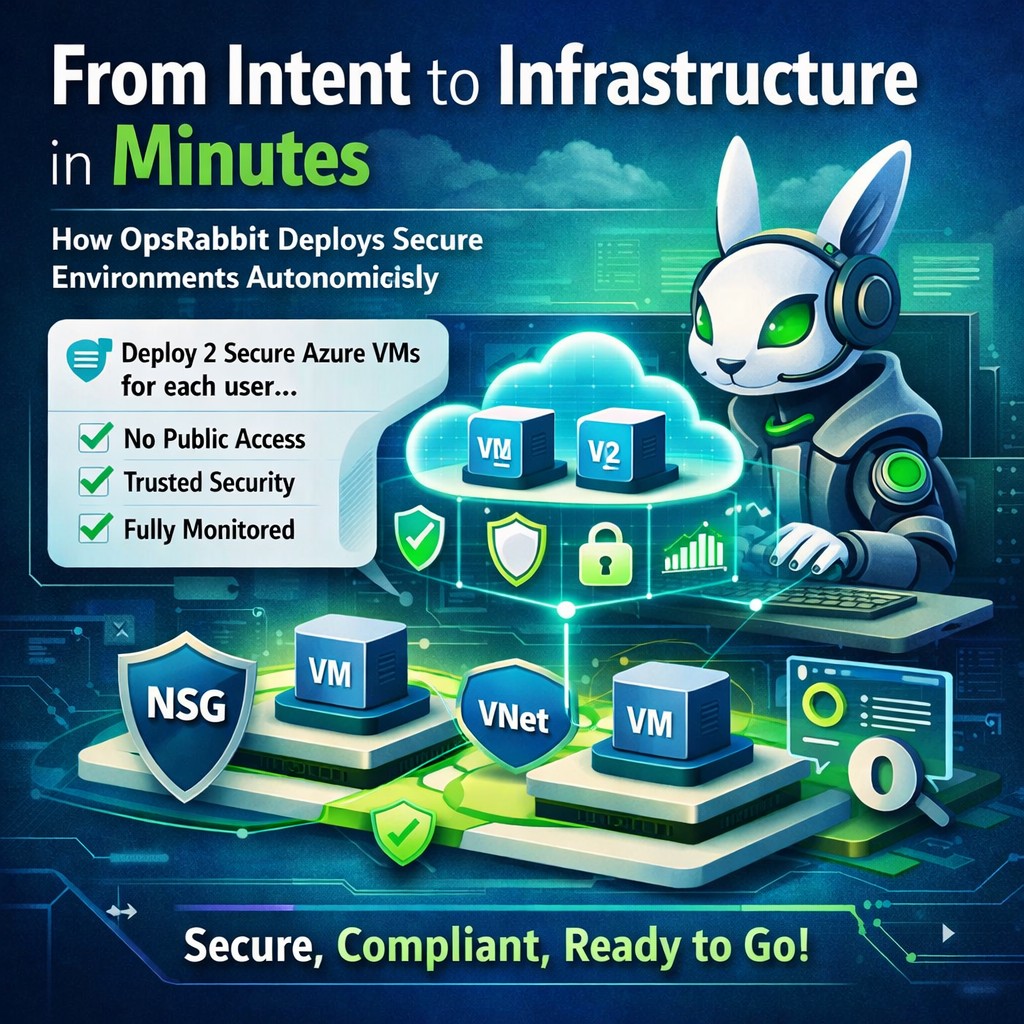
From Intent to Infrastructure in Minutes: How OpsRabbit Deploys Secure Azure Environments Autonomously
See how OpsRabbit turns a simple request for two secure Azure VMs into a fully governed, production-ready environment in minutes — without tickets, manual templates, or fragile scripts.
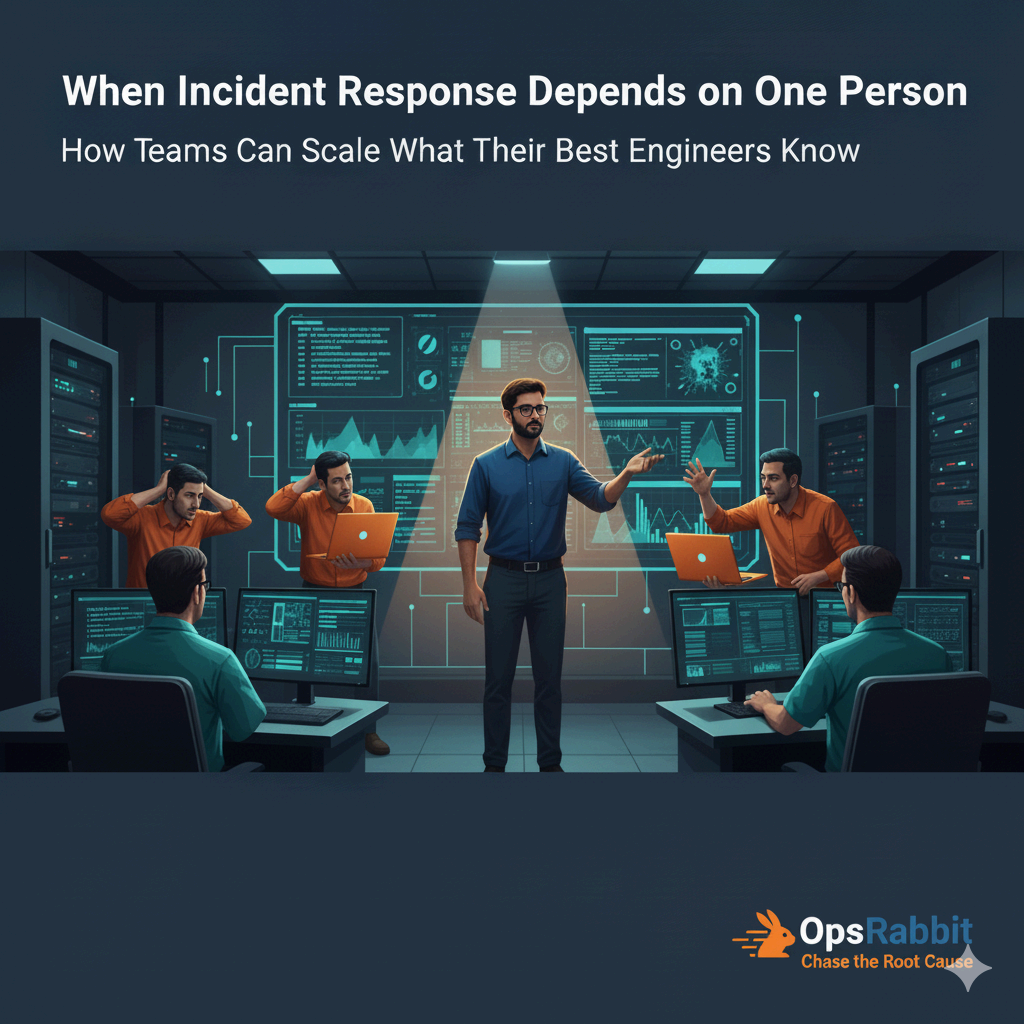
Everyone Waits for Gaurav: Solving the Tribal Knowledge Bottleneck in IT Operations
Too many incidents depend on one engineer who 'just knows' what's going on. This post explores how tribal knowledge slows teams down and what scalable, AI-supported Ops can look like instead.
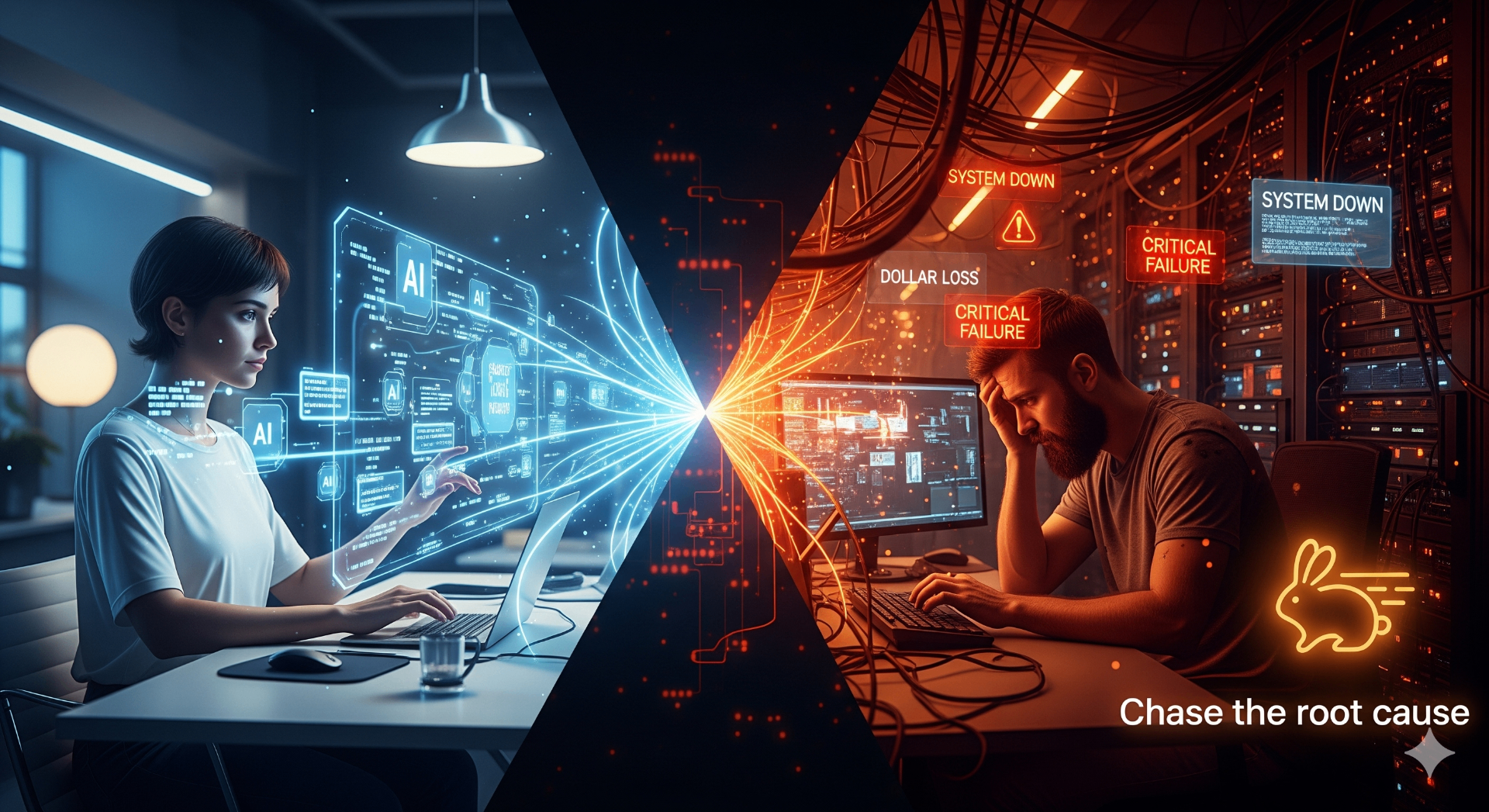
Why Ops Teams Can't Keep Up with AI Code
AI coding tools are accelerating development, but creating new challenges for operations teams. Discover how OpsRabbit helps bridge the gap between fast AI-generated code and stable production systems.
Latest Articles
50 articlesWhy Model Evaluation Pipelines Are Now an Incident Response Surface
The July 2026 OpenAI and Hugging Face disclosures show that model evaluation stacks can cross from research plumbing into real production risk. Here is the operational response loop platform and security teams should use now.
Why Least Privilege for AI Agents Needs an Ops Workflow
Microsoft's latest agent identity guidance is useful, but the operational gap is still review, audit, and fast revocation across real tools and real systems.
Why Repository Ownership Is Now an Incident-Response Control
GitHub's durable-owner rollout highlights a broader ops lesson: if teams cannot tell who owns a repository, they will struggle to route remediation, review risky changes, and respond safely when incidents touch code.
Why GitHub Actions Workflow Injections Are Becoming an Incident Response Problem
GitHub says workflow injections remain one of the most common repository vulnerabilities, but the real pain starts when teams need to map a risky workflow to secrets, owners, runners, and the safest containment step.
Why SaaS OAuth Abuse Is Now an Incident-Response Problem for IT Ops
Microsoft's July 13 SaaS OAuth abuse analysis shows why approved apps, trusted integrations, and guest-access drift now belong in the same incident-response workflow.
Why SharePoint Hardening Still Breaks Down After Active Exploitation
CISA's latest SharePoint warning is not just a patch-now story. Teams still need to know which farms are exposed, which web apps have AMSI coverage, whether compromise is already in play, and what the next safe action is.
ChatGPT Work Is Now a Change-Management Issue for Enterprise IT
OpenAI's July 9, 2026 ChatGPT Work launch expands ChatGPT across plugins, connected apps, scheduled tasks, browser actions, and desktop workflows. Enterprise IT should treat that as a real rollout and change-management event.
Better ChatGPT Memory Is Becoming a Governance Decision for Enterprise Admins
OpenAI's more capable ChatGPT memory system makes personalization more useful, but it also turns memory policy, Temporary Chat defaults, and support ownership into real admin decisions.
ChatGPT Slack Actions Are Now an Access Review Issue for IT Ops
OpenAI's June 19, 2026 Slack action rollout turns a simple ChatGPT connector update into an access review task for IT ops and Slack admins.
Copilot CLI in GitHub Actions Is Now a Change-Management Issue
GitHub's July 2 update lets Copilot CLI run in GitHub Actions with the built-in GITHUB_TOKEN. That removes PAT overhead, but it also turns AI workflow rollout into a real permissions, trigger, and cost-governance task.
GitHub Actions Dependency Locking Is Becoming a Change-Management Issue for Platform Teams
GitHub's 2026 Actions roadmap turns dependency locking, scoped secrets, and workflow execution rules into real rollout work for platform teams. The hard part is no longer knowing what good looks like. It is staging those changes without breaking delivery.
Why Secret Scanning Response Still Breaks Down Without Context
GitHub is making secret scanning alerts more trustworthy, but leaked-secret response still stalls on the same old problem: teams need owner, service, exposure, and audit context before they can rotate safely.
When AI Tools Move from Reading to Acting, MCP Tool Poisoning Becomes an Ops Incident
Microsoft's June 30 warning about MCP tool poisoning matters because the moment AI tools can act, metadata and scope drift turn into real incident-response work for ops teams.
How to Get Secret Scanning Alerts to Inbox Zero Without Losing Incident Context
GitHub's latest secret-scanning case study is a reminder that alert volume is not the same as risk. The real work is validating what is still live, finding owners quickly, and remediating without erasing the evidence trail you may need later.
AI in SRE Needs Identity, Context, and Fallbacks Before It Can Be Trusted
Google and DORA are both pointing to the same lesson for `AI in SRE`: agents are only useful in production when identity, context, and fallback paths are built in from the start.
Why Vulnerability Triage Breaks Down When Advisory Volume Surges
GitHub says vulnerability volume is hitting record levels, but the bigger operational problem is still context. Teams need faster answers about exposure, ownership, recent changes, and safe next actions before patching turns into progress.
One Intrusion, Two Threat Actors: Why Shared Incident Context Matters Now
Microsoft just documented a case where one intrusion hid two unrelated threat actors. The lesson for ops teams is simple: isolated alerts are not enough when response depends on one shared incident narrative.
Why Unfixed Kubernetes CVEs Are Now a Scanner Triage Problem
Kubernetes corrected several long-standing CVE records on June 1, 2026, so scanners may now surface architectural risks that were always there. Here is how platform teams should triage the findings without wasting time on the wrong response.
AI Memory Poisoning Is Becoming an Ops Incident
Persistent AI memory changes the response model: responders need to trace what was stored, where it came from, and what it can still influence before they can contain the right thing.
Why Browser-Using AI Agents Are Now a Host Security Incident
Browser-using AI agents can turn one malicious page into a workstation incident when the same host also exposes local control planes, tokens, or execution paths. Here is what ops teams should isolate first.
Credential Revocation Is Now a First-Hour Incident Response Workflow
Compromised tokens, app authorizations, and agent identities now touch enough systems that revocation has become an early containment workflow. The challenge is revoking the right path fast without taking down the wrong automation.
What AIOps Means in Practice: Use Cases, Expectations, and Where OpsRabbit Fits
AIOps means different things to different teams: alert noise reduction, root cause analysis, self-healing, DevOps acceleration, service intelligence, and executive reliability. This guide maps those expectations to practical OpsRabbit workflows.
Why Kubernetes `nodes/proxy` Permissions Are More Dangerous Than They Look
Kubernetes v1.36 improves kubelet authorization, but many teams still carry broad `nodes/proxy` access into production. Here is why that matters for incident response and what to tighten now.
ChatGPT Google App Actions Are Now a Change-Management Issue for IT Ops
OpenAI's June 15, 2026 Google app-action rollout turns a connector update into a real change-management task for IT ops and Google Workspace admins.
ChatGPT's New Google App Actions Are an Ops Change, Not Just an App Update
Starting June 15, 2026, ChatGPT adds new Google Drive, BigQuery, and Google Meet-related actions that can require new OAuth scopes. For IT and security teams, that is an operational change window, not a routine feature toggle.
Why CI/CD Secret Theft Is Now an Incident Response Problem
Recent supply-chain incidents show that once build runners and workflow credentials are compromised, the problem lands on ops teams fast. The real challenge is assembling enough trusted context to contain the blast radius before it spreads.
AI Apps With Actions Are Becoming an Ops Incident Surface
Once AI apps can search internal systems, invoke tools, or act through MCP-connected services, they stop being just another productivity feature. They become part of the live incident surface.
Why AI Agent Permissions Sprawl Is Becoming an Ops Incident
Agent adoption is moving faster than visibility and least-privilege controls. Here is why MCP and A2A permissions sprawl is now an operations problem and what responders should do first.
Agentic AI Adoption Needs Operational Guardrails Before It Becomes an Ops Incident
CISA's new guidance on agentic AI adoption is a useful signal, but the real challenge for ops teams is building guardrails around access, ownership, telemetry, and response context before AI workflows create production incidents.
Why MCP-Connected Admin Tools Turn Fast Vulnerability News Into Ops Incidents
The nginx-ui MCP auth-bypass story is a good reminder that AI- and MCP-connected admin tools can turn a fresh disclosure into a live ops incident fast. The first bottleneck is usually not awareness. It is context.
Why Kubernetes AI Workloads Often Fail First at Memory Pressure, Not CPU
AI workloads in Kubernetes are famous for heavy compute demand, but many production incidents show up first as memory pressure, OOM kills, and evictions. Here is why that happens and how responders can debug it faster.
AI Investigation Context Windows Are Becoming an Ops Problem
AI copilots can help teams start incident investigations faster, but many still lose the thread once evidence spans alerts, logs, deploys, chat, and ownership data. That context-window gap is becoming an operations problem.
AI Alert Fatigue Is Now an AI Ops Incident, Not Just a Monitoring Problem
AI is not just creating more automation. It is making already noisy operational environments harder to interpret, which turns alert fatigue into a real incident-response problem.
Predictive Hardening for AI Ops Incidents: Why Faster Context Beats Blanket Lockdown
When an AI-connected incident starts moving, the winning move is rarely a blind lockdown. Teams need trusted context fast enough to apply temporary, targeted hardening before the blast radius grows.
How Kubernetes User Namespaces Change Production Debugging and Incident Response
Kubernetes user namespaces are now GA. Here is what that actually changes for platform teams, production debugging workflows, and incident response in real environments.
Why AI Runbooks Fail Without Live Infrastructure Context
AI-era runbooks do not usually fail because teams forgot a step. They fail because responders still need live ownership, change, access, and blast-radius context before they can act safely.
Kubernetes Image Volumes Give Platform Teams a Safer Debugging Pattern Than hostPath
Kubernetes image volumes give platform teams a cleaner, read-only way to deliver debugging artifacts into pods. That does not remove the need for access control, but it is a meaningful improvement over risky hostPath habits.
Indirect Prompt Injection Is Becoming an Ops Incident, Not Just an AI Security Footnote
Indirect prompt injection is no longer just a model-safety curiosity. For ops teams, it is becoming a real incident pattern where user-controlled data, retrieved content, or tool output can change agent behavior faster than responders can assemble context.
Shadow AI Is Creating Ops Incidents Faster Than Teams Can Build Context
AI adoption is moving faster than documentation, ownership, and guardrails. When something breaks, operations teams lose precious time figuring out which AI tools are involved, what changed, and what to do next.
Why Time-to-Context Is the Real Bottleneck in the Agentic SOC Era
The agentic SOC is becoming the new security operating model, but ops teams still lose time assembling service ownership, deploy history, runtime evidence, and next actions. Here is why time-to-context is the metric that matters now.
Agentic Runbooks for IT Operations: How to Cut Investigation Time Without Automating Blindly
Agentic runbooks help IT operations teams gather evidence, validate context, and recommend the next step faster, without turning incident response into a black-box automation gamble.
When MCP Endpoints Become an Ops Incident: What Teams Should Do After the nginx-ui Takeover Flaw
The nginx-ui takeover flaw is a good reminder that MCP and admin-plane integrations are now part of the incident surface. Here is how ops teams can scope exposure, check for config tampering, and respond faster with context.
The Agentic SOC Is Coming. The Operations Bottleneck Is Still Context.
The agentic SOC is quickly becoming the new security operating model, but production incidents still stall when responders cannot assemble service context fast enough. Here is where operations teams still get stuck, and why that gap matters.
Mitigating the Axios npm Supply Chain Compromise Before It Becomes a 2 A.M. Incident
The Axios npm supply chain compromise is a sharp reminder that dependency incidents become operations incidents fast. Here is how teams can investigate impact, reduce time-to-context, and respond with less chaos.
Why AI-Generated Code Is Creating a New Incident Response Problem
AI coding tools are speeding up software delivery, but they are also creating a new investigation burden for operations teams. The real problem is not just more change, it is slower time-to-context when production breaks.
MTTD, MTTF, MTBF, and MTTR: How OpsRabbit Improves the Metrics That Matter for DevOps
A practical guide to four core reliability metrics—and how AI-driven incident investigation with OpsRabbit helps teams detect faster, resolve sooner, and build a clearer picture of system health.
AI Incident Response in Action: Investigating a Cloud Supply Chain Attack on AWS
A real-world AI-driven investigation into the axios supply chain vulnerability on AWS, showing how OpsRabbit validates exposure using telemetry, runtime inspection, and intelligent reasoning.
From Intent to Infrastructure in Minutes: How OpsRabbit Deploys Secure Azure Environments Autonomously
See how OpsRabbit turns a simple request for two secure Azure VMs into a fully governed, production-ready environment in minutes — without tickets, manual templates, or fragile scripts.
Everyone Waits for Gaurav: Solving the Tribal Knowledge Bottleneck in IT Operations
Too many incidents depend on one engineer who 'just knows' what's going on. This post explores how tribal knowledge slows teams down and what scalable, AI-supported Ops can look like instead.
Why Ops Teams Can't Keep Up with AI Code
AI coding tools are accelerating development, but creating new challenges for operations teams. Discover how OpsRabbit helps bridge the gap between fast AI-generated code and stable production systems.
Ready to Transform Your Operations?
Ask for a demo today. Experience how OpsRabbit can reduce your MTTR by up to 90%.